CORE
Balancing automation and human judgment to create a reliable, transparent estimating system.
The challenge
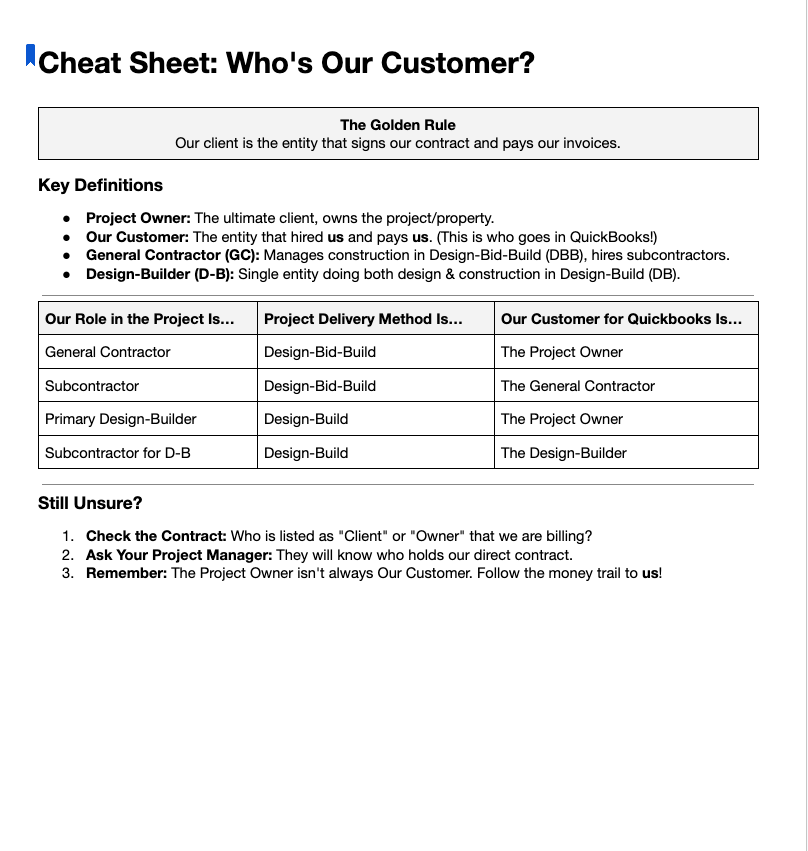
Construction estimating is both complex and financially risky. Prior to the creation of CORE (Centralized Operations and Revenue Engine), every estimate produced by the company required employees to reconstruct a complex pricing process from calculators, freight tables, vendor agreements, emails and experience. Estimators manually calculated margin, freight and tax, adjusted terms and conditions and transferred project information between documents. As project volume and complexity increased, memory and copy-and-paste work became increasingly difficult to scale.
The resulting errors weren't trivial. Missed scope, incorrect freight and forgotten tax obligations could move unnoticed from an estimate into a live project. One use-tax omission alone cost the company $73,000, demonstrating that estimating errors represented a material financial risk rather than simply an inefficient process.
The Solution
Instead of replacing the existing process with an off-the-shelf platform, I designed CORE around the way estimators already worked. The familiar spreadsheet interface remained, but the knowledge previously carried by individual employees was progressively built into the system through standardized data, business rules and automation.
The goal wasn't to eliminate human judgment. CORE automated repeatable decisions such as freight, taxation and cost calculations while leaving estimators in control of markup and scope. This allowed the process to become more consistent without requiring employees to abandon a workflow they already understood.

A standardized pricing model
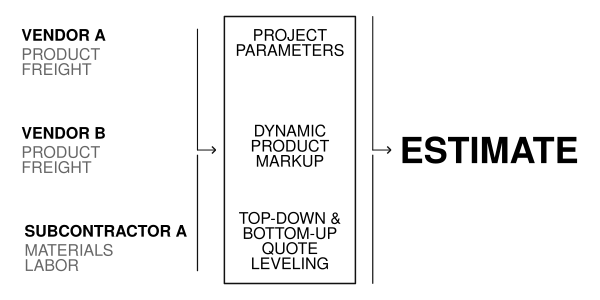
Vendor pricing structures, freight breakpoints and tax requirements varied by product and project, making accuracy dependent on what each estimator knew and remembered. CORE translated those variables into standardized categories and business rules, automatically applying freight, cost, taxation and other pricing logic.
This shifted the estimator's job from reconstructing the pricing process to reviewing and adjusting a consistent starting point.
A familiar interface for a new process
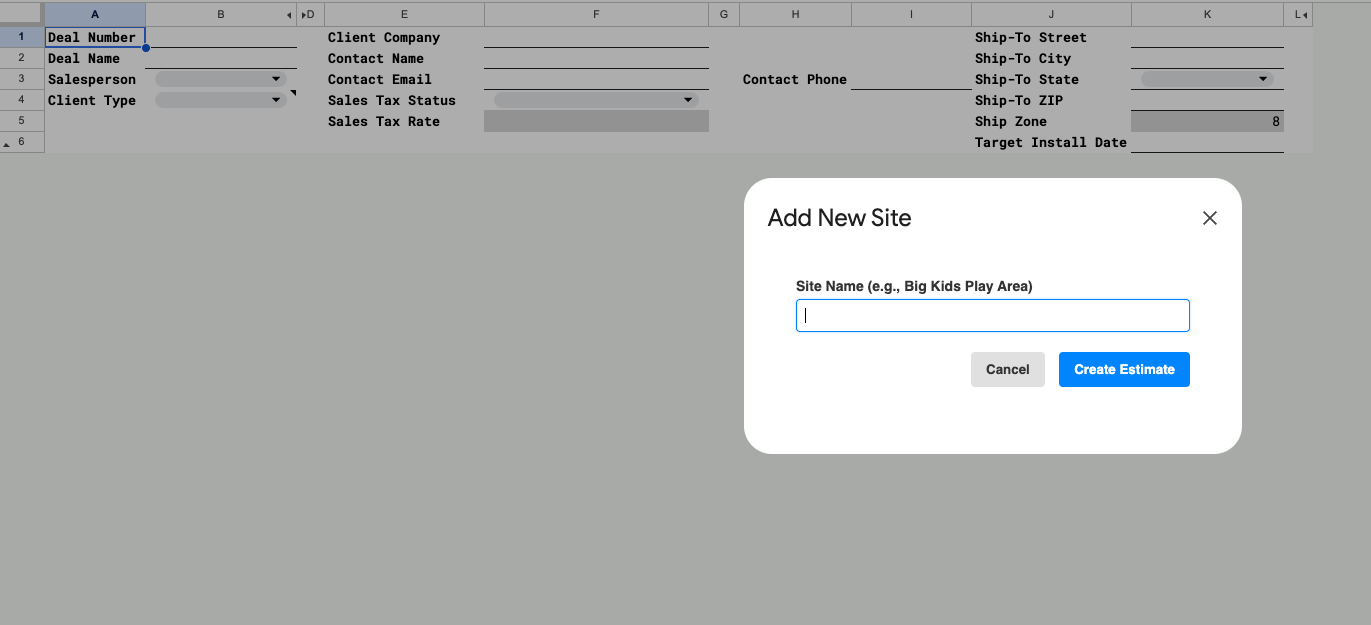
CORE was built around the spreadsheet interface estimators already understood, minimizing the learning curve while moving the system's complexity behind the interface.
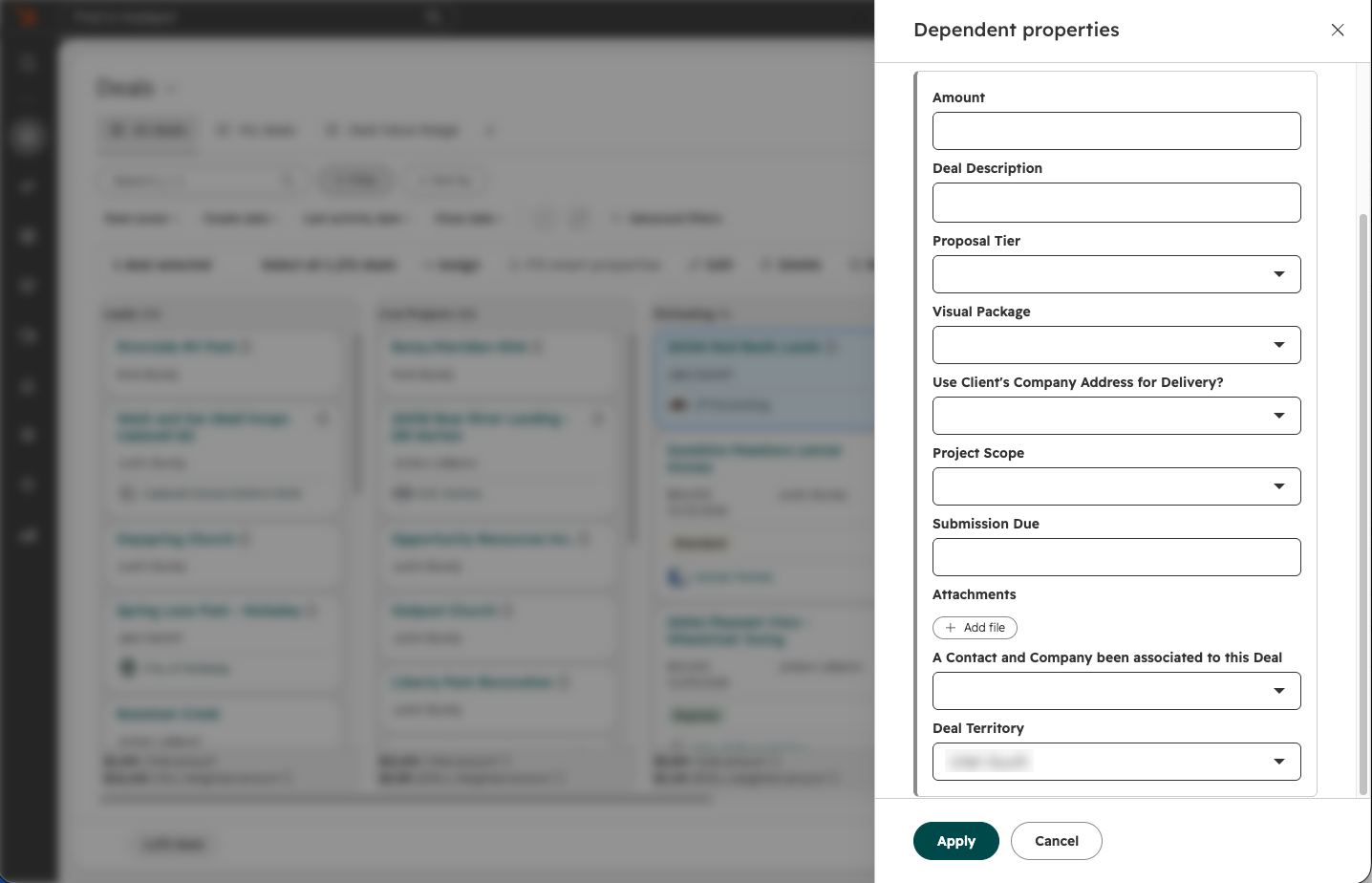
Custom menus, buttons and modal windows gave users access to the functions they needed without exposing the formulas, helper data and scripts underneath. The result was a fundamentally different estimating process presented through a familiar interaction model.
From estimate to standardized output
Prior to CORE, completing the estimate was only the beginning of producing a proposal. Estimators still had to transfer pricing, scope, terms and other information into separate client-facing documents, creating another opportunity for information loss.
CORE used the structured estimate data to generate standardized proposals and change orders directly from the system. Revisions and alternate concepts could remain connected to the underlying project while client-facing documents maintained consistent pricing, terms and presentation.

The result
CORE increased estimating capacity while making the process more reliable and easier to learn. New employees could produce accurate estimates with less dependence on individual estimating knowledge, and the class of tax errors the system was designed to prevent did not recur.
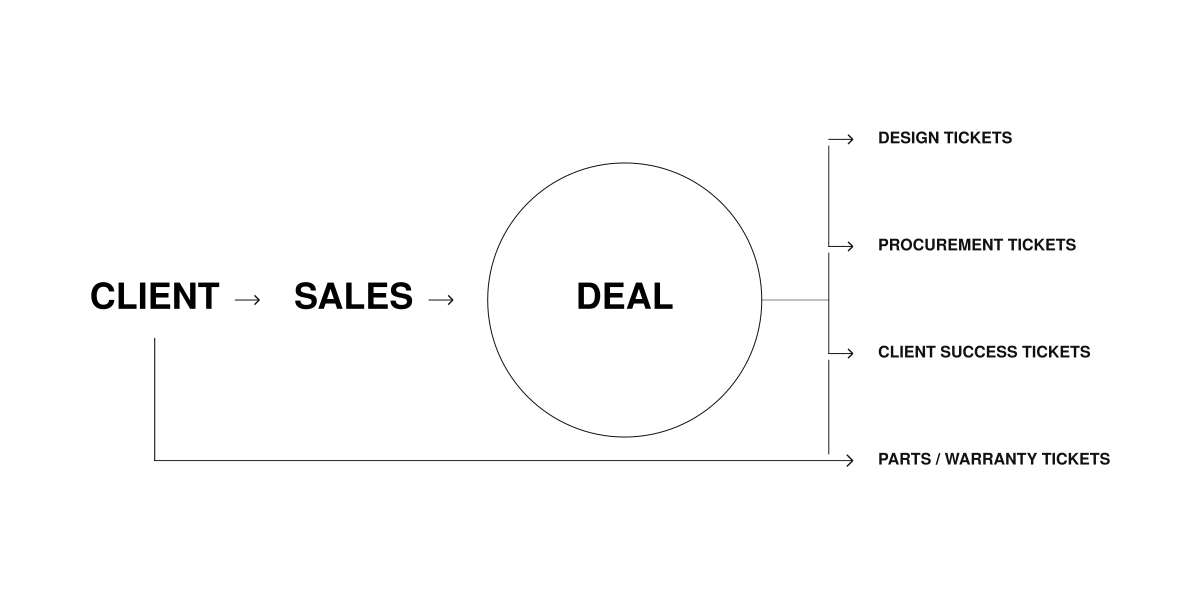
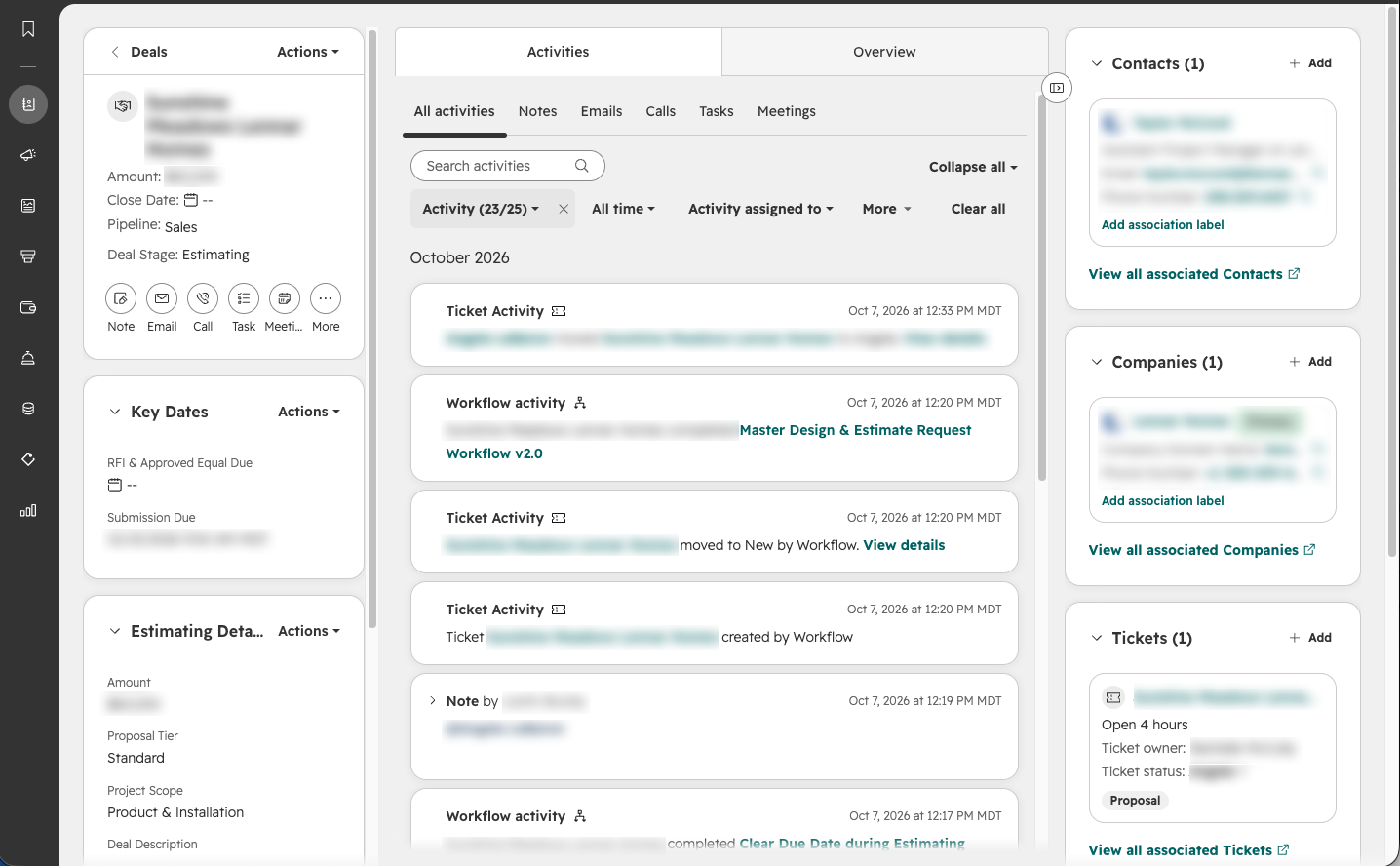
As adoption grew, CORE became the center of the pre-bid process, connecting estimating decisions with the information needed for procurement and changes during construction.
Technologies
- Google Apps Script
- Google Sheets
- HTML
- CSS